
Adding a new feline member to your family is an exciting milestone, yet it requires a strategic approach to maintain peace. Many owners find that introducing a new kitten to an existing cat safely is the most challenging part of expanding their pet family. Domestic cats are intensely territorial animals, and a sudden intrusion can trigger stress or aggression. By following a gradual, science-based process, you can transform a potential rivalry into a lifelong friendship.
Understanding why slow introductions are necessary for feline success
Many pet owners mistakenly assume that cats will simply work it out on their own. However, rushing the process often leads to long-term behavioral issues. The American Humane Society emphasizes that a gradual step-by-step approach significantly increases the chances of success. Forcing a relationship too quickly can inadvertently sabotage a bond that might have otherwise flourished. Proper cat introduction techniques focus on reducing the 'stranger danger' response by prioritizing the sense of smell over sight.

The foundational phase of scent exchange and territory management
The first step begins even before the kitten enters the home. If possible, trade bedding between the kitten and the resident cat. This allows both animals to investigate the other's scent in a non-threatening environment. Once the kitten arrives, you must prepare a separate room equipped with food, water, and a litter box. This sanctuary prevents the resident cat from feeling like their entire kingdom is being invaded.
During this phase, practicing good cat care is vital. Ensure the new arrival is healthy, as stress can lower immunity. It is important to monitor for signs of ear mites or other parasites that could spread. Furthermore, owners should learn about bobcat fever in cats to understand how tick-borne diseases might impact a multi-cat household during high-stress periods.
Positive association through door feeding and visual barriers
Feeding is the most effective way to build a positive association between two rival cats. Place their food bowls on opposite sides of a closed door. This forces the cats to experience something pleasurable—a meal—while in close proximity to the other's scent. If either cat shows aggression, such as hissing or growling, move the bowls further away and slow down the timeline. Over several days, gradually move the bowls closer until they can eat calmly right next to the door.
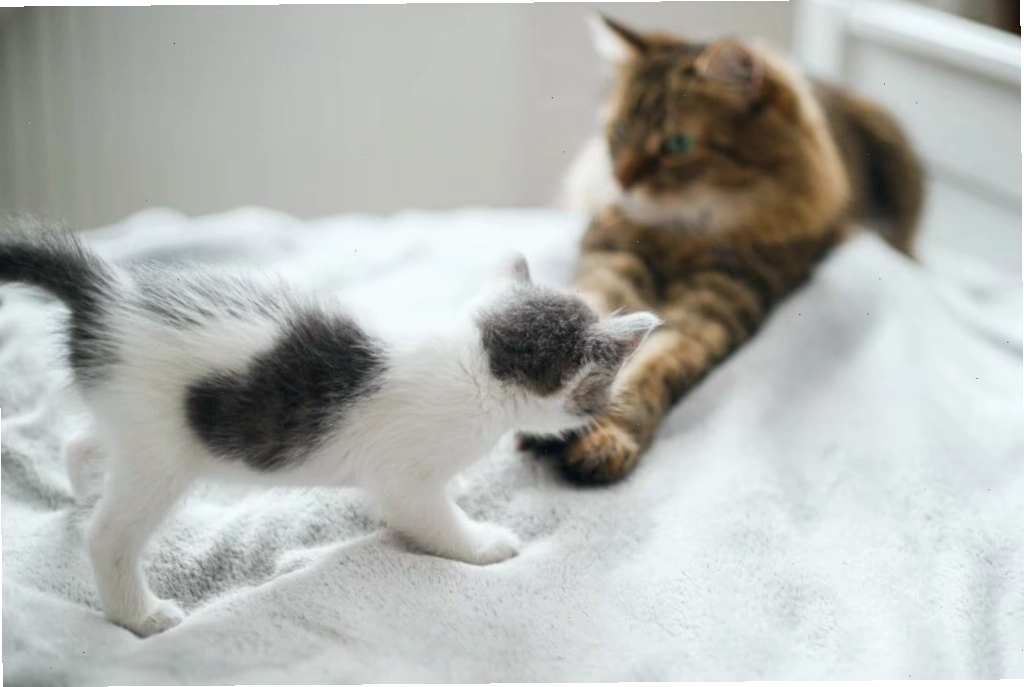
Once they are comfortable eating near the door, you can begin the big scent exchange around the house. Confine the resident cat to the kitten's room while allowing the kitten to explore the rest of the home. This allows them to swap roles and scents without a physical confrontation. This is also a good time to review your broader pet management strategies. While your focus is on felines, if you also have a dog, ensure you are utilizing a canine nutrition guide and the best dog food to keep all household members healthy and satisfied.
Comparing introduction challenges across different cat profiles
Not every introduction follows the same path. Factors such as age, temperament, and previous socialization play a massive role in how quickly multi-cat household harmony is achieved. Below is a comparison of common introduction scenarios and their typical difficulty levels.
| Scenario Type | Typical Reaction | Recommended Strategy |
|---|---|---|
| Kitten to Adult Cat | Adult may be annoyed by high energy | Focus on kitten socialization tips to burn off excess energy |
| Adult to Adult Cat | High territorial tension | Extended scent swapping and veterinarian-approved kibble rewards |
| Kitten to Senior Cat | Senior may feel physically threatened | Provide vertical spaces where the senior can escape the kitten |
Long term strategies for maintaining multi cat household harmony
Even after the cats are living together, ongoing cat care remains essential. Continue to provide multiple resources to prevent resource guarding. The rule of thumb for litter boxes is one per cat plus one extra. Pay close attention to cat health, specifically looking for subtle signs of stress-induced illnesses. Always consult with a professional if you notice persistent aggression, as they may suggest specific best dog food brands or specialized feline diets that support cognitive and emotional health.
Finally, remember that kitten socialization tips apply throughout the first year of life. Consistent play sessions and positive reinforcement will solidify the bond. By taking the process slowly and respecting the territorial nature of your domestic cats, you create a safe environment where both pets can thrive. A successful introduction is not measured by how fast they meet, but by the quality of the relationship they maintain for years to come.